
Massage, can be a confusing and daunting process, which can lead to an overwhelming stresful experience, if the client is not informed appropriately about treatment protocols.
Navigating through the various massage types, whether it be sweedish, sports, deep tissue, hot stone massage or myofascial release can be difficult to decipher which treatment is most appropriate for specific needs.
In addition to this, some people lack clarity on, what the massage process is, how it will help, differences between treatments, what they can and can’t do after a treatment etc.
This blog seeks to provide clear and concise information related to the most commonly asked questions when it comes to the nuanced aspects of massage.
What is massage and what are its bennefits?
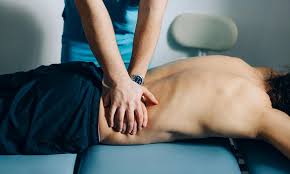
Although massage comes in many guises, at its core it is an ancient type of manual therapy that manipulates the soft tissue of the body to improve health and well-being.
This process helps, reduce muscle soreness, alleviate stress and anxiety, improve circulation and increase range of motion in the body’s joints, making them more flexible and supple.
Is massage painful?

Whilst massage can be an amazingly blissful expereience, some people report painful experiences when participating in them. This may be due to very tight muscles and fascia being manipulated and released, causing some discomfort.
However, if the massage delves into the realms of unbearable pain, this is not safe and effective practice and could cause serious damage to the body.
Accordingly, it is important to communicate this with the therapist, so they can regulate their pressure to avoid causing any potential pain and subsequent injury.
Likewise, a good therapist will check the pressure to see if it is right for the client and their specific needs.
How can I be sure a massage clinic is reputable?

A lot of people’s anxiety when getting a massage, is whether the chosen therapist is trustworthy and reputable.
This is totally understandable, as by entering a massage room, this puts a person in a potentially vulnerable situation.
In order to establish whether a massage therapist is credible, initial research is required by examining the therapists website, to find out information about the type of services on offer and therapist credentials which should be in the about me section of the website.
In addition to this, information about whether they are registered with an appropriate massage body should also be encompassed within this section, providing reassurance that they work within a professional and legal framework.
Finally customer reviews and feedback also help paint a picture of the type of massage establishment on offer and whether the therapist is competent and trustworthy.
What should I wear when participating in massage?

When it comes to deciding what to wear when having a massage, most reputable massage therapists will have a clothing policy that helps promote modesty, privacy and dignity.
For example, most therapists will cover the client with a towel or drape during the massage process and only expose the specific area that needs to be massaged at that time.
It is up to the client to undress to a level they are comfortable, however this may affect the efficacy of the treatment if clothes are restricting the area.
How often should I get a massage?

The ideal frequency of how often to get a massage treatment will depend on the client’s specific goals and objectives. For example if they are training for a marathon, regular sports massage with assisted stretching would be desirable on a weekly basis to help enhance training and eliminate injury.
If a client just wants to relax and stress relief, then most therapists would recommend once a month.
Can I work out after a massage?

Whilst some types of massage such as a pre event sports massage are designed to Prime the body for activity, it is not recommend however to workout after treatments such as sports/deep tissue for injury.
This is because post massage, the body is a state of recovery and needs time to heal. If a person was to lift weights for example, they could cause significant damage to this healing procces and further injury.
Most therapists will recommend 24 hours without exercise to get optimised results from a massage treatment.
Conclusion: this article has highlighted answers to burning questions client’s have regarding massage. From reading the infotmation, It is the hope that the reader is well informed and knowledgeable about the nuanced aspects of massage.